.svg)


Proactive Customer Service: What It Is, How to Implement It + Why It Boosts Loyalty

For most ecommerce companies, proactive customer service isn’t a revolutionary concept. These organizations might have detailed FAQs, apparel fitting guides, and a chatbot that handles routine queries.
But proactive customer service is much more than self-service. Most consumers are well aware of this difference. Many ecommerce companies are not. According to 2026 Salesforce data, “61% of service professionals say their organization already addresses service issues proactively, [but] only 33% of customers agree that the typical company actually does this.”
And when customers believe their support experience is subpar, 43% of them won’t make a repeat purchase (if they even make a first one). Proactive customer service done well invites repeat purchases by reducing friction and uncertainty, which builds customer trust.
If you’re looking to optimize your proactive customer service, keep reading. We’ll lay out best practices, an implementation plan, and KPIs to measure success.
What is proactive customer service in ecommerce?
Proactive customer service is a type of support that anticipates customers' needs and attempts to solve them before the individual reaches out. It’s the opposite of reactive support, where you only reach out if the customer opens a ticket.
Until only a few years ago, proactive service was little different from self-service resources. Back then you may have tidied up your UX to make it easier for shoppers to find your return policy, knowledge base articles, or product FAQs.
Self-service options are still critically important. But today, thanks to agentic AI, proactive support can use predictive signals to spot and respond to potential problems before they impact your customer base.
For example, agentic AI can recognize a customer’s buying patterns over time. If a favorite product is out of stock, you can notify the customer ahead of time, apologize, and suggest alternatives.
The business benefits of proactive customer service
Proactive customer support done well has three major business benefits.
- Higher conversion and less cart abandonment
If you increase customer confidence at checkout, you tend to have less cart abandonment. To boost confidence, deflect uncertainty connected to shipping timelines and rates, payment security, and replacement options if the shipment gets damaged or stolen.
As recently as 2025, according to Power Retail research, 12% of respondents still abandon carts because they don’t trust the retailer’s website, and 11% because they have payment security concerns.
Brands like Oura Ring proactively defuse security anxiety by placing “Secure Checkout” before any other copy on their payment page, along with icons from trusted payment methods.
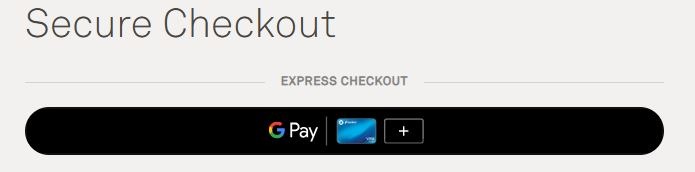
The brand also links their security center in the footer to build even more trust with the shopper.
- Better customer retention rates
Proactive customer care resolves issues that could be the last straw in a customer’s decision to churn.
Suppose a customer, upon realizing their delivery has been damaged, consults your chatbot for help. (Many customers needing support will likely reach out this way. The contact center software provider Five9 found in 2025 that, “72% of [surveyed] consumers are open to AI-powered interactions, provided they can escalate to a human when needed.”)
You might refer the customer to a knowledge base article on how to replace a damaged package. But suppose the customer uses words like “furious” or “frustrated” in their initial query.
A more proactive approach would be to design a chatbot flow that routes customers using these words to a human agent immediately. With this tactic, you have a better chance of retaining that 43% of shoppers who might take their business elsewhere after a single negative customer experience.
- Lower operational costs
The more you deflect customer queries proactively with self-service and agentic AI, the more your human agents can focus on more complex customer needs.
Fewer agents and more efficient support query resolution lowers operational costs. According to a 2025 Gartner study, “By 2029, agentic AI will autonomously resolve 80% of common customer service issues without human intervention, leading to a 30% reduction in operational costs.”
Examples of proactive customer service across the customer journey
Uncertainty pops up at various touchpoints in the ecommerce customer journey, both pre- and post-purchase. Proactive service can tackle this ambiguity before it leads to a lost sale — or worse: a lost customer.
Before checkout
Here are key questions shoppers ask themselves before they click “Buy,” and how proactive support can answer them:
- Will my package arrive when I need it to arrive?
This question tends to pop up most often during the holidays. Display a banner across every page of your site with “Order by [date] for arrival by Christmas” messaging so last-minute shoppers have clear guidelines.
- This online store has so many products, and I don’t have all day. How can I find what I need quickly?
A guided selling quiz is a proactive way to respond to this question. Beauty brand Skoon offers a fun, short quiz to match their array of skincare products with the shopper’s unique skin type.
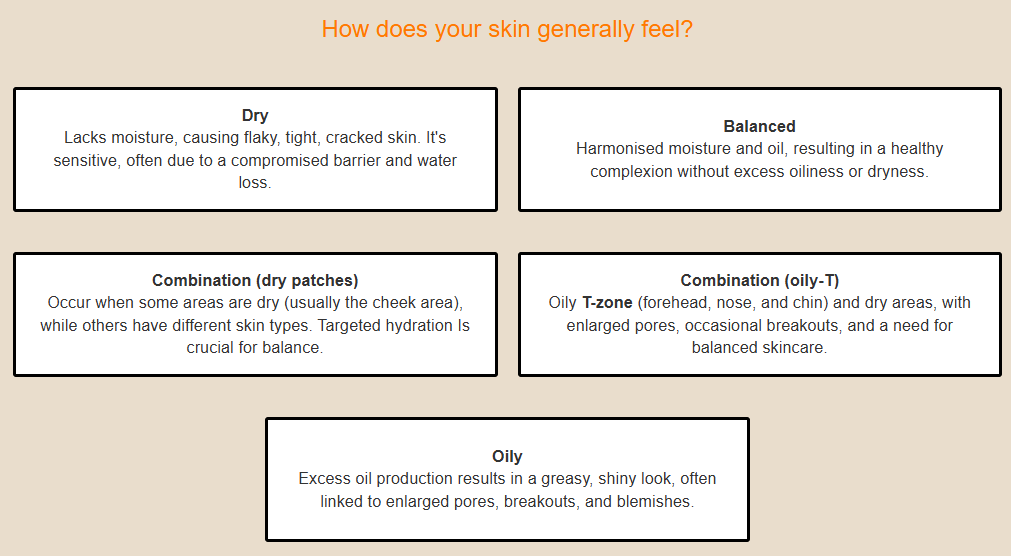
It’s possible to adapt guided selling quizzes to a variety of ecommerce verticals, like vitamins and apparel, for example. Starter questions could be something like, “What’s your ultimate health goal?” or, “What fit do you usually prefer?”
- Do you offer free returns?
Free returns across the board aren’t possible for most ecommerce retailers, but most shoppers want them. 2025 research from the National Retail Federation shows that “82% of [surveyed] consumers say free returns are an important consideration when shopping online.” And research by GlobalData for Extend found that 48% of surveyed consumers “have avoided buying from an online retailer because they did not offer free returns.”
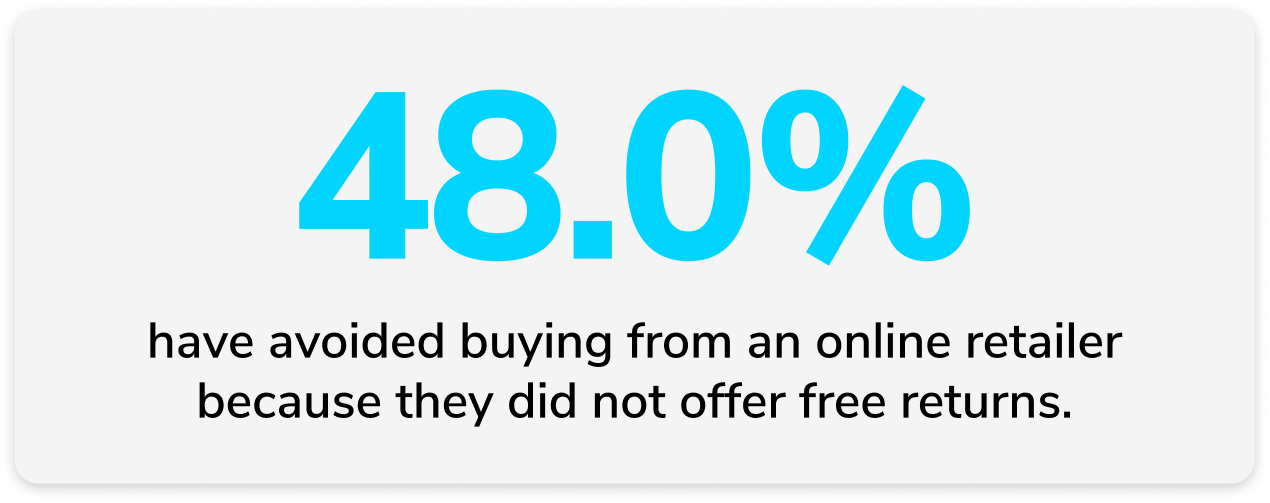
Include a link to your return and exchange policy near the point of sale. This proactive tactic manages shopper expectations, saving them from a potentially unpleasant post-purchase surprise.
Suppose you offer free returns for loyalty program members at a certain tier. Stating this policy up front may encourage new customers to purchase more so they can reach that tier.
- What if my package arrives damaged?
Claims of damage to a package during transit are behind a huge number of return requests. According to 2025 research from Shorr, “More than 3 in 5 (73%) [survey respondents] have returned items due to damage from shipping.”
Shipping protection saves you and the customer from the emotional and financial fallout of transit damage. Shoppers who purchase shipping protection and receive a damaged package can file a claim for a replacement at no additional cost to them or to you.
Providers like Extend automate claims through an online portal, saving individuals the trouble of pulling paperwork together or reaching out to your customer support team.
After checkout
Customer anxiety doesn’t end after checkout. Even more questions tend to pop up, which you can nip in the bud with proactive communication.
- Where is my order?
Perhaps the most common post-checkout question, you must make it easy for customers to track their order.
Agentic AI provider DigitalGenius estimates that the number of WISMO requests from their clients’ customers represents 36% of queries during peak periods, on average.
Save shoppers the trouble of reaching out (and boost operational efficiency) by sending customers who have opted-in to receive SMS notifications a text with a dedicated tracking link once the order ships. Given the popularity of texting, customers can quickly click the link when they want to check order status.
But what if the order gets delayed by weather or a transit mishap? Customers don’t want to learn about delays from their order-tracking link. They want to know about delays (and options) immediately, which is where proactive service enters the fray.
Sync data from your fulfillment software with your marketing automation platform to inform customers of delays by email or text.
- I’ve spent thousands of dollars with this company. Do I really need to pay a $9 return fee?
With proactive support (and the help of your retail management software and ecommerce platform), you can assign dynamic return policies based on a customer’s lifetime value (LTV). Now you can defuse frustration from customers whose spending history more than offsets the cost of a return.
The customer will need to initiate the return before you can apply your proactive, dynamic policy. Suppose you segment customers into five spending tiers. The highest tier gets a free return and the option of a full refund or exchange, while the lowest tier must pay the return fee.
- I know I joined the loyalty program, but I don’t know how many loyalty points I have. How can I find out?
Loyalty program members tend to be bigger spenders than non-members, resulting in higher lifetime values. Many should be treated like VIPs, and proactive support can help them feel like one.
According to 2025 data from Deloitte, “Most consumers (72%) say loyalty programs make them more likely to spend with their preferred brand, while over half (56%) increase their spending because of the program.”
Suppose you offer a points-based ecommerce loyalty program. Displaying points at checkout helps members assess how much they want to spend in a transaction. For example, if they’ve earned enough points to qualify for free shipping, they may add other products to their cart, boosting their AOV.
Shopify users, for example, can easily display points at checkout by integrating the platform with various loyalty program apps.
For members whose points total or lifetime spend qualifies them for elite loyalty tiers, proactively send them messages thanking them and touting the benefits they stand to enjoy. Depending on how you’ve structured your program, you could offer elite members access to a dedicated (human) concierge who can answer their questions.
How to implement proactive customer service
If you’ve put together a proactive customer service strategy, it's a good idea to roll it out slowly, measuring success along the way. Here are the essential four steps:
- Start with top ticket drivers.
The first step? Audit your support tickets for the most common customer inquiries. These may include the following:
- WISMO
- Return or refund status
- Shipping address changes
- Damaged or missing items
Pay particular attention to the one(s) that consume most of your human agents’ time.
- Map the “moments of anxiety.”
For each of your most common queries, isolate the specific customer pain points associated with them.
Suppose “return or refund status” tickets dominate. You might learn that you need to start sending “return received” and “refund processed” emails or texts, similar to order updates.
Or maybe reports of lost packages dominate, and the major customer pain point is a feeling of helplessness from not knowing what to do. You may benefit from partnering with a shipping protection provider like Extend that guides customers through the claims process.
Learn how Glamnetic increased conversion rate and generated $100k in their first six months with Extend Shipping Protection.
- Add proactive triggers.
Proactive triggers are rules that automatically lead to specific forms of engagement like pop-ups or texts from your side. You create these rules from customer behavior and signals from software providers. Here are two examples:
- Customer behavior trigger: A high-LTV shopper who hasn’t ordered in more than six months logs in to your ecommerce site.
- Software trigger: Your fulfillment software logs a notice from FedEx of a weather delay in New York.
- Build templates and decision trees.
Use your lifestyle marketing platform to launch proactive engagements based on triggers. For example, if you register a weather delay, send a text letting customers know and giving them options.
But bear in mind that such proactive customer service doesn’t allow for over-messaging customers, nor does it cover for operational lapses like frequent delivery issues from a particular fulfillment hub. Most customers will only tolerate so many inconveniences from a specific retailer, even with the best proactive service. In addition, be sure to obtain the necessary consents before sending SMS messages, and keep in mind that SMS privacy rules vary by jurisdiction.
- Establish and measure KPIs
Finally, as you roll out proactive outreach, create a dashboard containing these three KPIs. Benchmarks for these KPIs depend on your industry vertical.
Ticket volume per 100 orders
Ideally, proactive service should reduce the need for reactive service. Your number of tickets should go down over time, and this KPI will let you know if they do.
Calculate this metric by dividing the total number of tickets by the total number of orders, then multiply by 100.
Cart abandonment rate
Alleviating pre-purchase customer uncertainty with proactive service should reduce your cart abandonment rate.
To calculate it, divide the total number of completed purchases by the number of initiated shopping carts in a given time period. Subtract that result from 1, then multiply by 100.
Repeat purchase rate (RPR)
It’s safe to say that you’ve retained a customer who buys from you repeatedly. This metric should rise with the implementation of proactive customer service.
Find your RPR by dividing the number of returning customers (those with at least two orders) by the total number of customers within a specific timeframe. Then multiply by 100.
Proactive customer service is now table stakes
Think of proactive customer service in ecommerce as a core growth strategy. It’s not simply about reducing tickets (which is important). It’s about protecting repeat revenue at a time when loyal customers are incredibly difficult to find.
At its best, proactive service gives shoppers the peace of mind they need before they click “Buy.” Shoppers must trust that you’ll do what you say you’ll do and that your product will meet their expectations. Partnering with Extend is a great way to help ensure that their expectations won’t be dashed if the package gets lost, stolen, or damaged.
Learn more about Extend Shipping Protection by clicking here, and see how it provides the pre- and post-purchase peace of mind customers are looking for.

Aaron Sullivan is content and copy director at Extend. He specializes in writing about e-commerce, finance, entertainment, and B2B SaaS.