.svg)


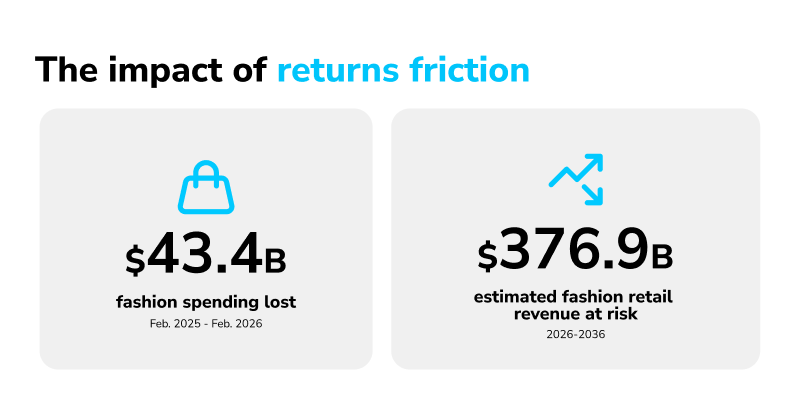
Extend Data Shows Restrictive Return Policies Put $377 Billion in Revenue at Risk
.jpg)
Returns friction — including how difficult, inconvenient, or expensive it is to return an item — is emerging as one of the most overlooked drivers of lost retail revenue.
“The writing is on the walls: brands cannot afford to alienate their most profitable customers with restrictive return policies to mitigate the cost coming from a small subset of bad actors,” said Extend Co-Founder and Chief Revenue Officer Rohan Shah. “One-size-fits-all return policies ultimately assume all customers are equally valuable — this isn't scalable for brands looking to grow when there are better solutions available.”
Historically, return policies have been treated as an operational issue, but consumer behavior shows the stakes are far higher. In fact, return policies can shape whether customers buy in the first place, how much they spend, and whether they remain loyal to a brand over time.
Revenue potential is directly related to what happens after checkout
The new research shows three ways restrictive policies can impact shopper behavior:
- They influence purchase decisions. Nearly half (48%) of surveyed shoppers have avoided buying from an online retailer because it didn’t offer free returns.
- They reduce spending. 72% of surveyed consumers said strict return policies make them buy less from that retailer. Nearly one-third (32.4%) reduced or stopped purchases with a fashion retailer because of returns friction.
- They erode customer trust. About 75% of respondents said difficult returns make them trust retailers less. More than three-quarters would switch retailers if their preferred brand made returns harder or more expensive.
Brands are facing growing pressure to reduce return costs without damaging customer loyalty. Most manage this tradeoff with static policies that apply the same rules to every shopper, regardless of their value or behavior.
But not all customers are the same. Some are highly valuable and loyal, while others consistently initiate returns, abuse policies, or pose fraud risk. Treating all shoppers the same forces retailers into policies that can erode margins or push customers away.
Shah said this is an issue that’s plagued merchants in all product verticals, but those who have high return rates — apparel, footwear, and accessories — suffer the most.
“Customer expectations have evolved, yet the toolkit retailers use to combat issues like ballooning return rates, rampant fraud and policy abuse, and waning customer satisfaction hasn’t changed at all,” Shah said. “Today’s retailers deserve better solutions. And customers deserve better, more personalized experiences after the sale.”
That’s the gap Extend helps retailers address. By tailoring return policies to each shopper’s value, merchants can reduce return costs while protecting loyalty and long-term revenue.
To learn more about the research and gain additional insights into the true costs of returns friction, download the full report by clicking below.


Aaron Sullivan is content and copy director at Extend. He specializes in writing about e-commerce, finance, entertainment, and B2B SaaS.


.jpg)